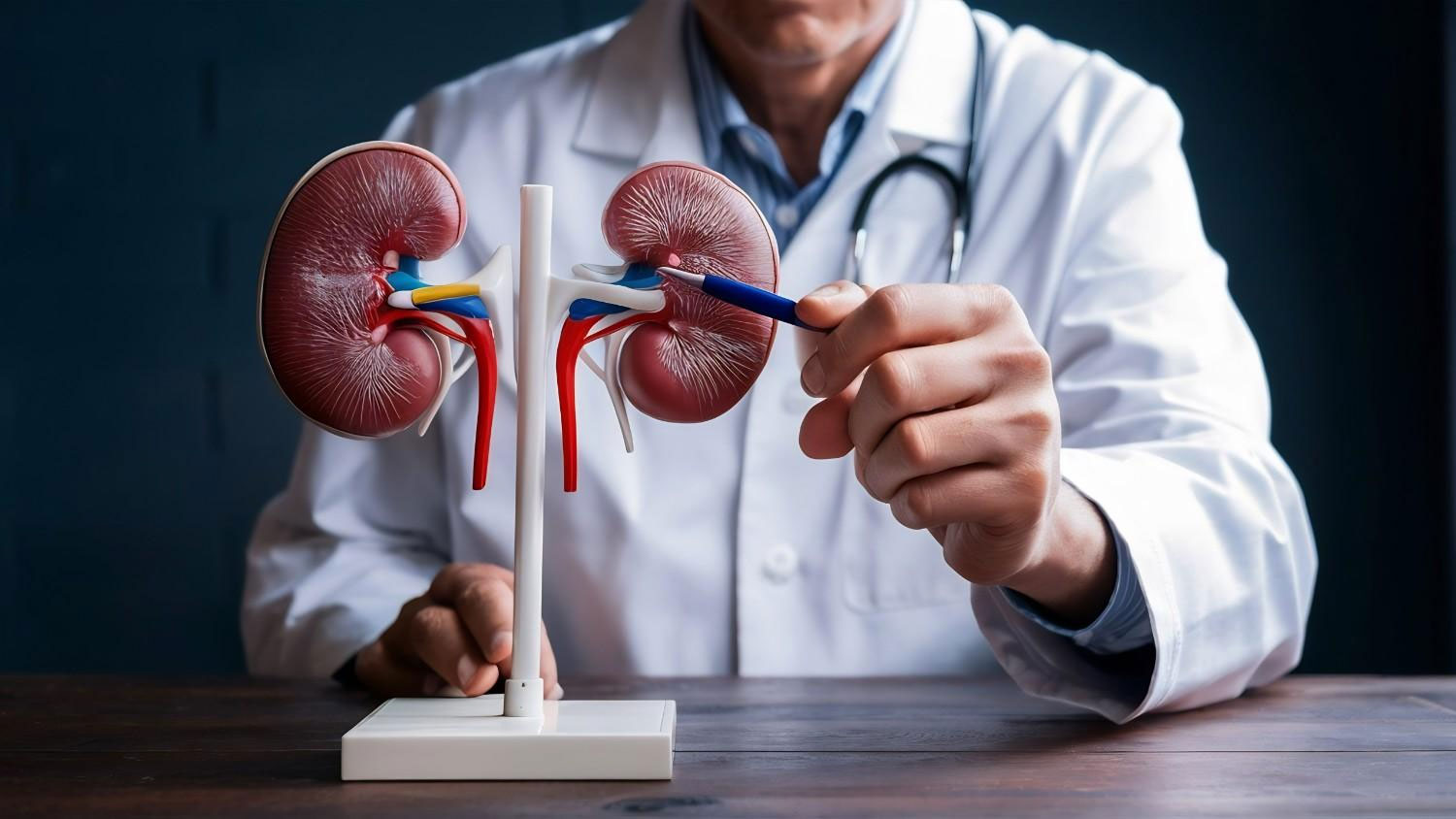
Exploring Treatment Paths for Kidney Failure
April 22, 2025
Kidney failure, or end-stage renal disease, occurs when the kidneys can no longer filter waste and excess fluids properly, leading to serious health complications. It is a growing health concern in India, with increasing cases due to diabetes, high blood pressure, and lifestyle-related disorders. Fortunately, there are several effective kidney failure treatment options available that help manage symptoms and improve quality of life.
Book Your Consultation
If you're looking for reliable kidney failure treatment in Goregaon, Mumbai, this article will guide you through the available options, their benefits and limitations, and steps you can take to protect your kidney health.
Hemodialysis is one of the most common treatments for kidney failure. It’s a process where a machine helps filter waste and excess fluids from your blood, kind of like a substitute for your kidneys when they aren’t doing the job anymore.
To get started, a small surgery is required to create an access point in a blood vessel, usually in your arm. During dialysis, the blood is removed, filtered through a machine (called a dialyzer), and then returned to your body.
Typically, you’ll have to go for hemodialysis about three times a week, with each session lasting around 4 hours. You can choose to have it done at a dialysis center or even at home if you’re comfortable with it. However, it’s not suitable for everyone, especially if you have unstable blood pressure or difficulty accessing blood vessels.
Peritoneal dialysis is another option for kidney failure treatment, and it works a little differently than hemodialysis. Instead of using a machine to filter your blood, it uses the lining of your abdominal cavity (called the peritoneum) to do the filtering.
To start, a soft tube (catheter) is placed in your abdomen through minor surgery. This catheter will slowly fill your abdomen with a special dialysis solution, which helps draw out waste and excess fluids from your blood. After a few hours, the solution is drained out, along with the waste.
The best part? Peritoneal dialysis can be done at home, making it more convenient for some people. But it’s not suitable if you have certain conditions, like severe obesity or issues with your abdominal area, such as hernias.
A kidney transplant is often the goal for many people with kidney failure, as it can give you a new lease on life. This surgery involves implanting a healthy kidney from a donor into your body. The new kidney will take over the job of filtering your blood, so you no longer need dialysis.
However, kidney transplants are not for everyone. The surgery is major, and you’ll need to take immunosuppressant medications afterward to make sure your immune system doesn’t reject the new kidney. You’ll also be placed on a waiting list for a donor kidney, which can take several years.
It’s important to note that not everyone qualifies for a kidney transplant. If you have severe health conditions like heart disease or cancer, you might not be eligible for a transplant.
While there’s no medication that can directly fix kidney failure, there are plenty of medications that can help manage symptoms and prevent complications. These meds aim to control things like blood pressure, cholesterol, and anemia. Here are some common medications prescribed for kidney failure:
Some people with kidney failure choose to manage their condition with only medications and dietary changes, which is called conservative management. This helps with symptom relief and improving quality of life, but it won’t reverse kidney failure.
If you have chronic kidney disease, you can take steps to slow its progression to kidney failure. Here are a few tips to keep your kidneys healthy:
Regular check-ups with your healthcare provider are crucial to catch any potential issues early and prevent kidney failure from progressing.
Kidney failure is a serious condition that can greatly impact daily life, but with the right treatment, patients can manage symptoms and improve their overall well-being. Options like hemodialysis, peritoneal dialysis, and kidney transplant each offer unique benefits and considerations. Medications also play a vital role in controlling complications. Additionally, adopting a kidney-friendly lifestyle and managing underlying chronic conditions can help slow the progression of chronic kidney disease.
If you're seeking expert kidney failure treatment in Goregaon, Mumbai, Dr. Rashmi Algeri—a highly experienced Nephrologist—provides personalized care tailored to your specific health needs. With the right support and medical guidance, living a full and active life with kidney failure is absolutely possible.
Easily schedule your appointment by filling out our simple form
Schedule An AppointmentLocate Dr. Rashmi Algeri’s Clinic in Mumbai, for Expert Kidney Care and Nephrology Services.