What Is Kidney Disease & High Blood Pressure in Pregnancy?
Kidney disease and high blood pressure (hypertension) are two separate conditions that can complicate pregnancy. When combined, they pose additional risks and require careful management to prevent complications.
Kidney Disease in Pregnancy:
ADPKD is the most common genetic form of kidney cystic disease, passed down from parents to children. It often results in the formation of large cysts that progressively enlarge the kidneys and affect kidney function. Symptoms may not appear until adulthood.
High Blood Pressure in Pregnancy:
High blood pressure during pregnancy, also known as gestational hypertension, can lead to conditions like preeclampsia. Preeclampsia is a serious complication that can affect both the mother and the baby, causing organ damage and potentially leading to preterm delivery.
Causes and Risk Factors of Kidney Disease & High Blood Pressure in Pregnancy
-
Pre-existing Kidney Disease:
Women with chronic kidney disease (CKD) before pregnancy may be at higher risk of complications during pregnancy, including high blood pressure and worsened kidney function.
-
Preeclampsia:
High blood pressure during pregnancy can lead to preeclampsia, which may damage kidneys and other organs. Preeclampsia is often characterized by high blood pressure, swelling, and protein in the urine.
-
Gestational Hypertension:
High blood pressure that develops after the 20th week of pregnancy is known as gestational hypertension. It can lead to complications such as preterm labor, low birth weight, and fetal distress if not managed properly.
-
Autoimmune Disorders:
Conditions like lupus or nephrotic syndrome can increase the risk of kidney disease and high blood pressure in pregnancy.
Symptoms of Kidney Disease & High Blood Pressure in Pregnancy
-
Swelling (Edema):
Swelling in the hands, feet, or face is a common symptom of kidney disease and high blood pressure. It can worsen during pregnancy and may signal complications.
-
High Blood Pressure:
Persistent high blood pressure readings, especially above 140/90 mmHg, indicate the presence of gestational hypertension or preeclampsia.
-
Protein in Urine (Proteinuria):
Presence of protein in the urine is a sign that the kidneys may not be functioning properly. It is often detected during routine prenatal checkups.
-
Headaches and Vision Problems:
Severe headaches or blurry vision can be signs of high blood pressure or preeclampsia, which can affect the mother’s well-being.
-
Abdominal Pain:
Pain in the upper abdomen, nausea, or vomiting may occur due to kidney issues or preeclampsia.
Diagnosis of Kidney Disease & High Blood Pressure in Pregnancy
-
Blood Pressure Monitoring:
Regular monitoring of blood pressure is essential during pregnancy. Blood pressure readings above 140/90 mmHg may indicate hypertension.
-
Urine Tests:
Urinalysis is used to detect protein in the urine, which can indicate kidney damage or preeclampsia.
-
Blood Tests:
Blood tests help assess kidney function, checking for elevated levels of creatinine or urea that suggest kidney dysfunction.
-
Ultrasound:
An ultrasound may be used to monitor fetal growth and the health of the baby, as well as to check for kidney abnormalities.
-
Kidney Biopsy:
In rare cases, a kidney biopsy may be recommended to determine the cause of kidney disease if symptoms persist or worsen.
Treatment for Kidney Disease & High Blood Pressure in Pregnancy
-
1. Blood Pressure Control:
-
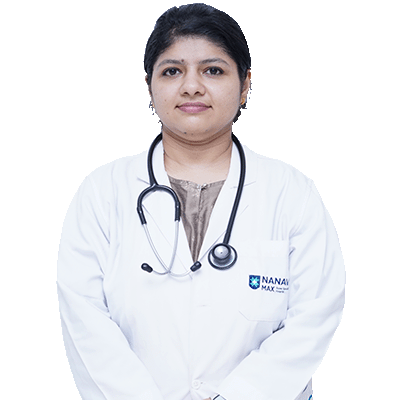
Dr. Rashmi Algeri will recommend medications safe for pregnancy to manage high blood pressure, such as methyldopa or labetalol, which help lower the risk of preeclampsia and maintain healthy blood pressure levels.
-
Lifestyle changes such as a balanced diet, stress management, and regular light exercise can also play a vital role in controlling blood pressure.
-
2. Managing Kidney Disease:
-
Close Monitoring: Regular check-ups are essential to monitor kidney function, protein levels in urine, and blood pressure throughout the pregnancy.
-
Dietary Changes: A low-sodium, low-protein diet may be recommended to reduce kidney strain and manage blood pressure. Adequate hydration is also crucial.
-
Medication Management: Certain medications may be prescribed to control proteinuria, reduce swelling, and protect kidney function.
-
3. Preeclampsia Prevention & Management:
-
Monitoring and Early Detection: If high blood pressure or proteinuria is detected, Dr. Rashmi Algeri will carefully monitor the mother and baby’s condition to detect signs of preeclampsia early, reducing the risk of severe complications.
-
Medications: In some cases, low-dose aspirin may be prescribed to prevent preeclampsia in women with high-risk factors.
-
4. Close Fetal Monitoring:
-
Regular ultrasounds will be done to track the baby’s growth and development, ensuring the fetus is not under any distress due to maternal hypertension or kidney issues.
-
If necessary, early delivery may be recommended to protect both the mother and the baby.
-
5. Delivery Planning:
-
In severe cases of preeclampsia or kidney disease, early delivery may be considered. Dr. Rashmi Algeri works closely with obstetricians to determine the best time and method for delivery to minimize risks.
Prevention & Lifestyle Modifications
-
1. Maintain a Healthy Weight:
-
A healthy weight can reduce the strain on the kidneys and help manage blood pressure. Dr. Rashmi Algeri will guide you on appropriate weight gain during pregnancy.
-
2. Regular Blood Pressure Monitoring:
-
Women at risk of hypertension should monitor their blood pressure regularly. Regular prenatal visits are crucial for detecting any abnormal changes early.
-
3. Hydration & Nutrition:
-
Drinking plenty of water, reducing salt intake, and eating nutrient-rich foods can help manage kidney function and blood pressure.
-
4. Exercise & Stress Management:
-
Light, pregnancy-safe exercise can help control blood pressure and improve overall health. Practicing stress-relief techniques like meditation or yoga can further support maternal well-being.
Conclusion
Managing kidney disease and high blood pressure during pregnancy requires specialized care. Dr. Rashmi Algeri, a leading nephrologist in Goregaon, Mumbai, offers comprehensive treatment to ensure the health of both mother and baby. With a focus on early detection, prevention, and personalized care, Dr. Rashmi Algeri provides the support needed for a healthy pregnancy.
If you're pregnant and experiencing kidney disease or high blood pressure, consult with Dr. Rashmi Algeri for expert care and treatment tailored to your condition.