What is Dialysis?
Dialysis is a life-saving treatment for individuals whose kidneys can no longer function adequately. It performs the crucial functions of filtering waste, removing excess fluid, and balancing electrolytes in the body. There are two primary types of dialysis—Hemodialysis and Peritoneal Dialysis—each suited to different patient needs. Dialysis may be required temporarily in acute kidney injury or permanently in chronic or end-stage kidney disease.
Advanced Techniques in Dialysis
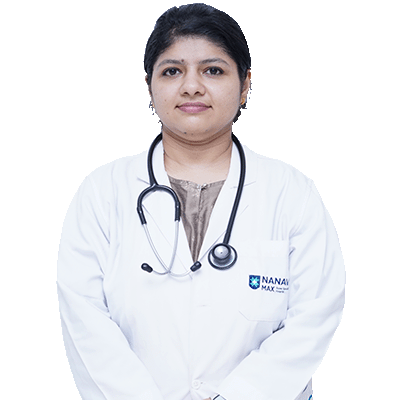
Dr. Rashmi Algeri integrates the latest advancements in dialysis care to enhance safety, comfort, and treatment outcomes for each patient.
- Hemodialysis (HD): Blood is filtered using a dialysis machine and dialyzer. It typically takes place in a dialysis center three times per week, with each session lasting about 4 hours. HD quickly removes waste and excess fluid, making it ideal for patients with rapid toxin buildup.
- Peritoneal Dialysis (PD): Utilizes the lining of the abdomen (peritoneum) to filter blood through a cleansing fluid introduced via a catheter. PD can be done at home, offering greater freedom and less dietary restriction, especially useful for working individuals or those preferring self-care.
- Home Hemodialysis: With proper training, patients can perform HD at home on a flexible schedule. It offers better control of symptoms, more frequent treatments, and improved cardiovascular health.
- Nocturnal Dialysis: Conducted overnight while the patient sleeps, it allows for a longer, slower dialysis process, improving toxin removal and providing daytime freedom.
Preemptive Kidney Transplant
A Preemptive Kidney Transplant is done before dialysis begins, offering better health outcomes and faster recovery. It reduces complications and improves quality of life by avoiding the long-term effects of dialysis. This proactive approach is ideal for eligible patients with advanced kidney disease, promoting a smoother, healthier transplant journey.
Why is Dialysis Needed?
Dialysis becomes essential when kidneys fail to carry out their basic functions. Common scenarios include:
-
Chronic Kidney Disease (CKD):
A progressive loss of kidney function over months or years, eventually requiring dialysis. CKD is often caused by conditions like diabetes or high blood pressure and requires ongoing monitoring and treatment to delay progression.
-
End-Stage Renal Disease (ESRD):
The final stage of CKD where kidney function drops below 10-15%. At this stage, dialysis or a kidney transplant becomes essential to sustain life and maintain bodily functions.
-
Acute Kidney Injury (AKI):
Sudden loss of kidney function due to infection, trauma, or medication, which may require temporary dialysis. Prompt intervention often leads to recovery, but severe cases can progress to chronic kidney damage.
-
Severe Electrolyte Imbalances:
Dangerous levels of potassium or acid buildup that cannot be managed by medication alone. Dialysis rapidly corrects these imbalances, preventing cardiac and neurological complications.
-
Fluid Overload:
When fluid accumulates in the lungs or tissues due to poor kidney function, dialysis helps remove it effectively. This is especially important in patients with heart issues or respiratory distress, where excess fluid can worsen symptoms.
What are the Risks of Dialysis?
Although dialysis is a critical treatment, it carries certain risks:
-
Low Blood Pressure:
A common side effect during HD, leading to dizziness, nausea, or cramps. This occurs due to rapid fluid removal. Managing fluid intake and adjusting the dialysis rate can help mitigate this issue.
-
Infections:
Especially in PD (peritonitis) or in vascular access sites used in HD. Infections can be severe and require prompt antibiotic treatment. Strict hygiene protocols and early detection reduce the risk significantly.
-
Muscle Cramps & Fatigue:
Can occur during or after dialysis due to fluid and electrolyte shifts. Proper fluid balance, medications, and nutritional support help reduce these side effects, improving patient comfort and energy levels.
-
Electrolyte Imbalance:
Inadequate dialysis or dietary non-compliance can lead to dangerous potassium or calcium levels. Regular blood monitoring and customized dialysis settings help maintain optimal electrolyte balance.
-
Access Site Complications:
Including blood clots, narrowing (stenosis), or bleeding that may require surgical correction. Regular evaluations of access function and imaging can help in early intervention.
Dr. Rashmi Algeri ensures close monitoring and timely management to minimize these risks.
What to Expect During the Dialysis Process
-
Vascular Access Management:
Ensuring a functional and long-lasting access point is vital. Advanced imaging and flow monitoring techniques are used to detect blockages or infections early, minimizing interruptions in treatment. Preventive care and timely interventions help maintain optimal access health.
-
Personalized Dialysis Schedules:
Each patient’s dialysis frequency, duration, and modality are tailored based on lab results, lifestyle, and clinical needs. This individualized approach helps manage symptoms more effectively and improves quality of life.
-
Nutritional Guidance:
Specialized renal diets are crafted to control fluid intake, balance electrolytes, and reduce toxin buildup. Patients receive ongoing counseling from trained dietitians to ensure they meet their nutritional needs while avoiding dialysis-related complications.
-
Infection Prevention Protocols:
Strict hygiene practices, regular site inspections, and patient education reduce the risk of infections—especially in peritoneal dialysis and vascular access points. Protocols are updated with the latest clinical standards to ensure maximum safety.
Conclusion
A Kidney Transplant can ofDialysis is more than a procedure—it’s a lifeline tailored to each patient’s needs. With advanced techniques, continuous support, and compassionate care, Dr. Rashmi Algeri offers leading dialysis treatment in Goregaon, Mumbai. As a trusted nephrologist in Goregaon, Mumbai, her patient-centered approach ensures that every individual receives the safest, most effective care to maintain quality of life. fer a new lease on life—and choosing the right nephrologist is key. With clinical excellence, compassionate care, and advanced techniques, Dr. Rashmi Algeri is a trusted provider of Kidney Transplant Treatment in Goregaon, Mumbai.