Exploring Treatment Paths for Kidney Failure
April 22, 2025

Dr. Rashmi Algeri is a very seasoned Nephrologist and Renal Transplant Physician, focused on guiding patients through every part of the kidney transplant journey. She helps with transplant eligibility reviews and manages chronic kidney disease, then she continues with thorough follow-up care after transplantation. Her approach is personalized, evidence-based, and built around each patient’s specific requirements, so things feel clearer and more manageable along the way.
As kidney disease moves ahead and reaches end-stage kidney failure, a kidney transplant can end up being the best long-term answer for getting your health back on track and improving quality of life. In comparison with lifelong dialysis, a successful kidney transplant often brings better overall well-being, more day-to-day freedom, less stringent diet rules, and stronger long-range results. If you’re searching for the Best Doctor for Kidney Transplant in Goregaon, Mumbai, Dr. Rashmi Algeri is available for expert kidney transplant evaluation, pre-transplant checking, and careful post-transplant support.
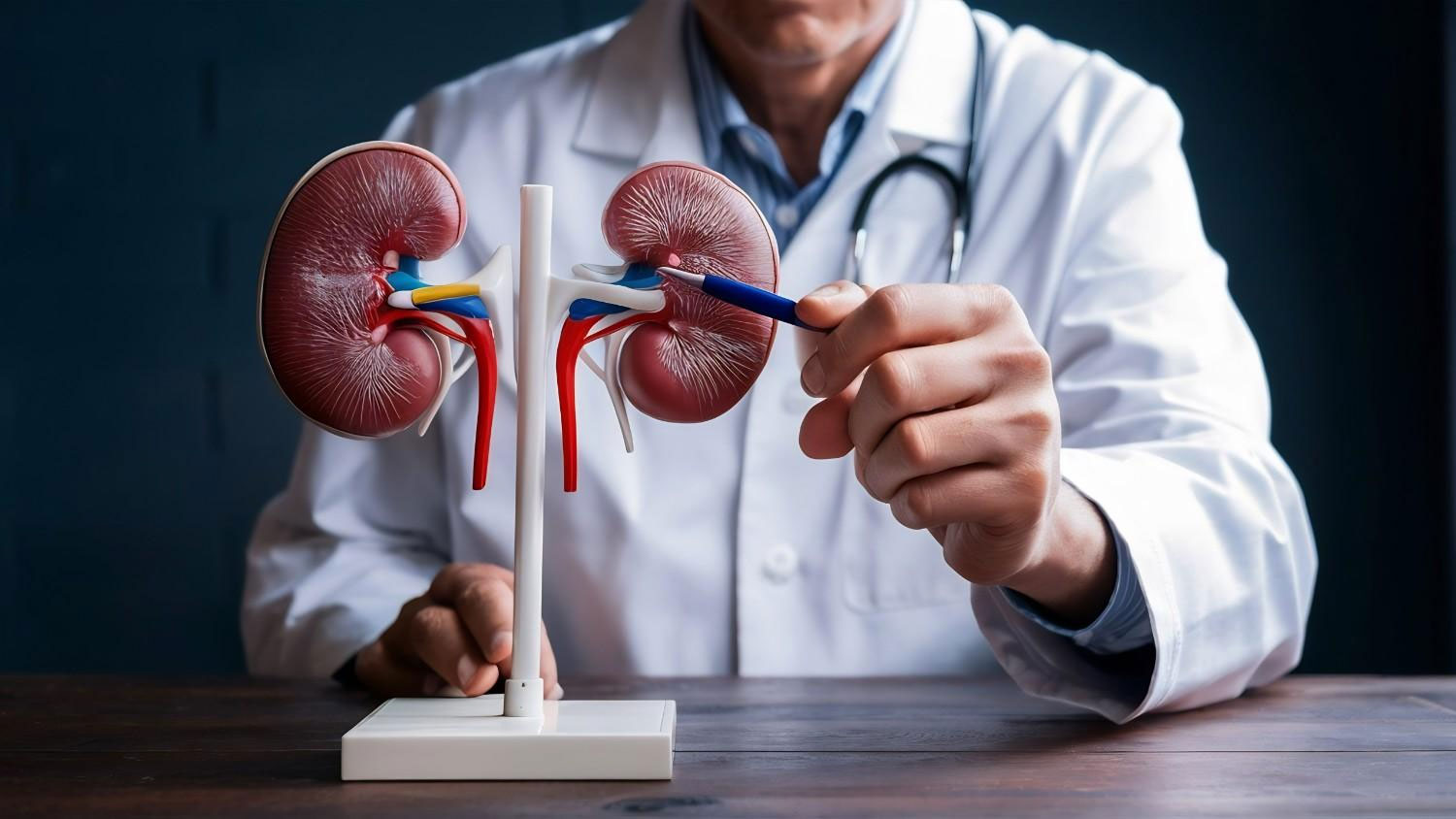
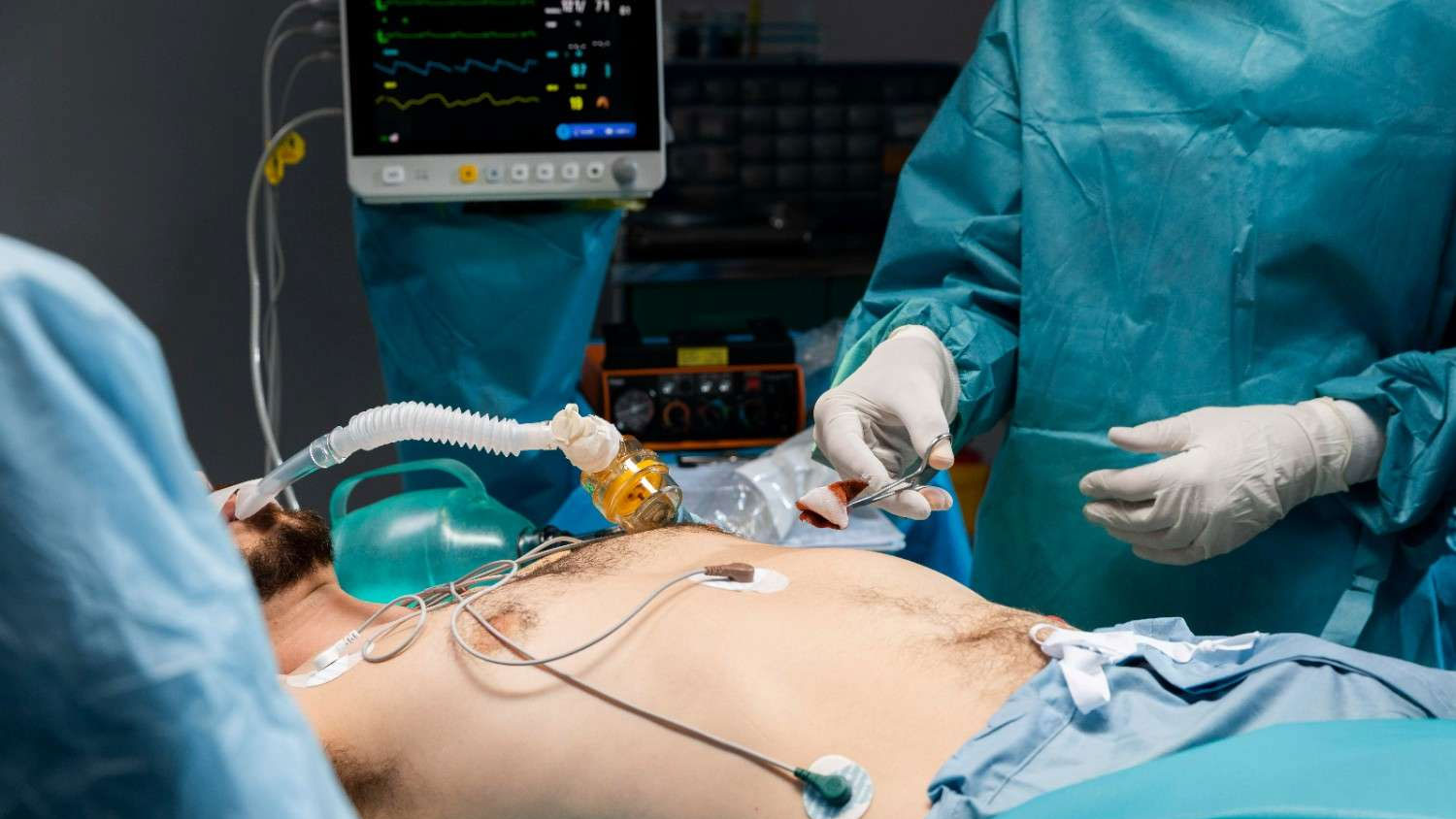
A kidney transplant is kind of a surgical procedure where a healthy kidney, from a living donor or sometimes a deceased donor is placed into a patient who’s kidneys are already not working well enough. If it goes well, the transplant can bring kidney function back, and also make a pretty big difference in the patient’s quality of life.
A kidney transplant gives people a real sense of hope and a better day to day life, especially for those dealing with end-stage kidney disease, because it brings kidney function back and lowers the need for long term dialysis. with the right expert evaluation, thoughtful planning, and steady care after the transplant, many patients can move toward stronger health and better long-run outcomes.
If you’re looking for the Best Doctor for Kidney Transplant in Goregaon, Mumbai, Dr. Rashmi Algeri offers caring, tailored, and complete transplant support so you’re guided in every part of your treatment journey. 📞 Call 098330 69662 to book your consultation today.
Ans - A kidney transplant is a surgical procedure in which a healthy kidney from a living or deceased donor is transplanted into a person whose kidneys have failed or are no longer functioning properly.
Ans - Patients with end-stage kidney disease (ESKD), advanced chronic kidney disease (CKD), or kidney failure requiring dialysis may be eligible for a kidney transplant after a thorough medical evaluation.
Ans - A successful kidney transplant can improve quality of life, increase life expectancy, reduce dependence on dialysis, provide greater freedom in daily activities, and allow fewer dietary restrictions.
Ans - For many patients, a kidney transplant offers better long-term outcomes and quality of life compared to lifelong dialysis. However, suitability depends on individual health conditions and medical evaluation.
Ans - The lifespan of a transplanted kidney varies depending on several factors, including donor type, overall health, medication adherence, and regular follow-up care. Many transplanted kidneys function well for many years.
Ans - Pre-transplant evaluation may include blood tests, imaging studies, cardiac assessment, infection screening, tissue matching, and a comprehensive medical examination.
Ans - Post-transplant care involves regular monitoring, medications to prevent organ rejection, routine blood tests, and ongoing nephrology follow-up to ensure the transplanted kidney functions properly.
Ans - As with any major surgery, kidney transplantation carries certain risks, including infection, bleeding, and organ rejection. Regular medical follow-up helps manage these risks effectively.
Ans - Many patients return to work, travel, exercise, and enjoy normal daily activities after recovery, provided they follow medical advice and attend regular follow-up appointments.
Ans - Dr. Rashmi Algeri is an experienced Nephrologist and Renal Transplant Physician who provides comprehensive kidney transplant evaluation, pre-transplant counseling, and long-term post-transplant care to help patients achieve the best possible outcomes.
Easily schedule your appointment by filling out our simple form
Schedule An AppointmentLocate Dr. Rashmi Algeri’s Clinic in Mumbai, for Expert Kidney Care and Nephrology Services.