Exploring Treatment Paths for Kidney Failure
April 22, 2025
Dr. Rashmi Algeri is an experienced Nephrologist and Renal Transplant Physician. She focuses on figuring out why the stones form in the first place, then she builds a personal treatment plan around you. Her aim is to ease the symptoms, sure, but also reduce chances of another episode later on. This is usually done with smart medical management, practical dietary guidance, and ongoing monitoring for long-term kidney well-being.
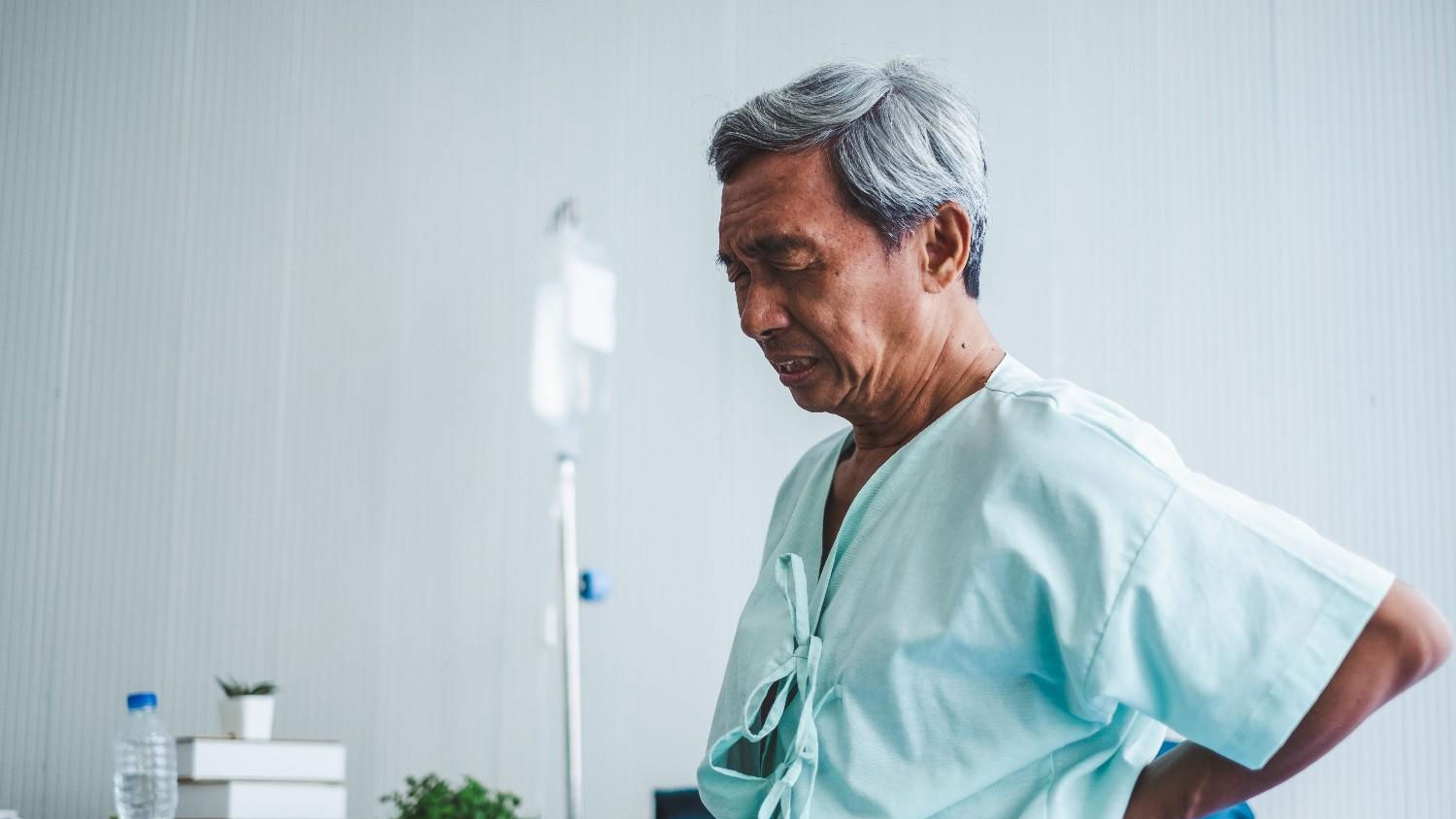
Kidney stones are pretty common urinary tract issue, they can bring on intense pain, and honestly it can mess with your whole day. The discomfort often comes like, suddenly and really strong, and it might stop you from doing normal activities. Because of that, getting timely help from a trained specialist matters a lot. It helps reduce the risk of complications and supports longer-term relief, not just quick fading of the pain. So, if you are searching for the Best Doctor for Kidney Stone Treatment in Goregaon, Mumbai, Dr. Rashmi Algeri offers thorough diagnosis, plus more advanced treatment for kidney stones and other related kidney problems.
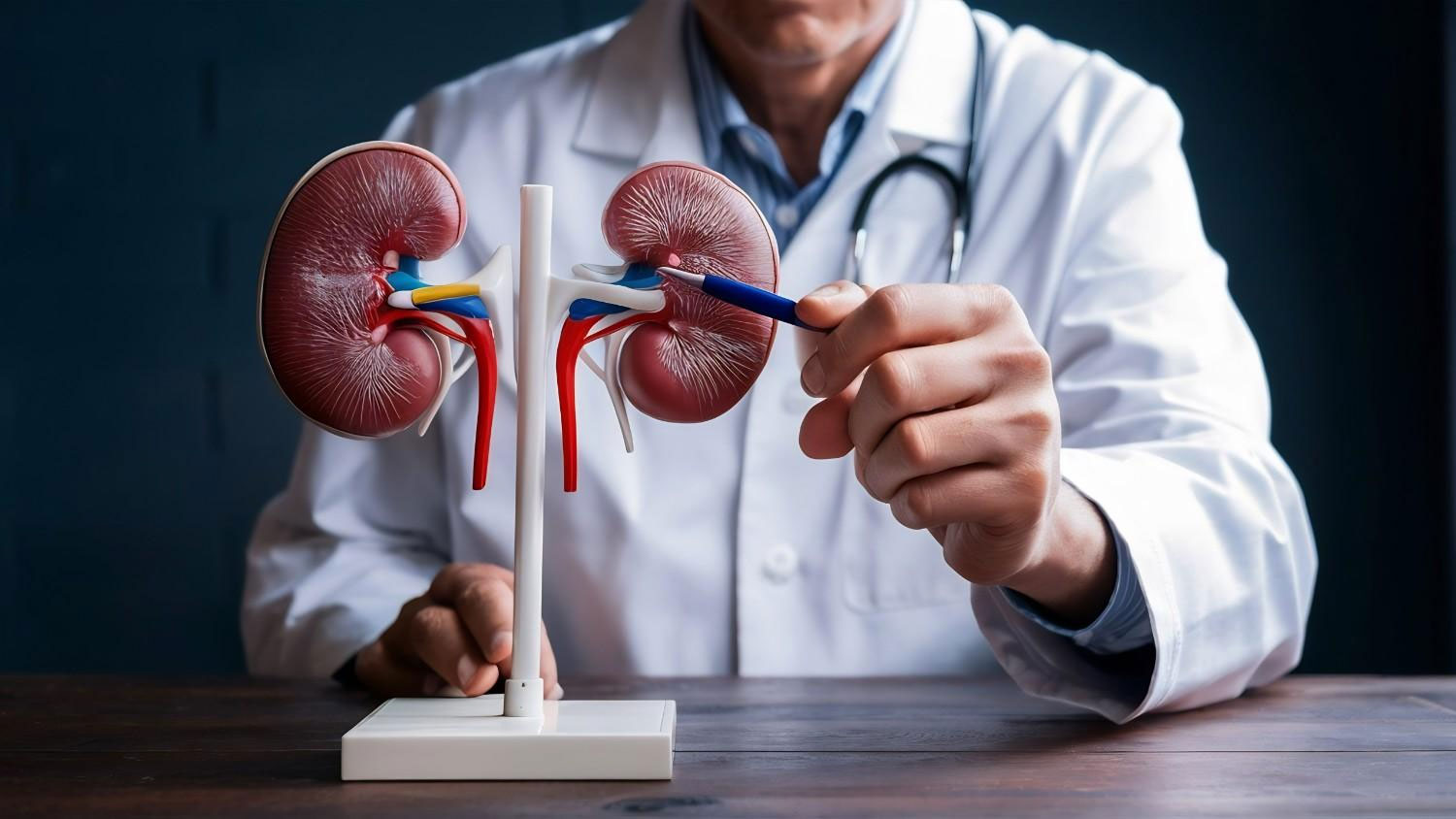
Kidney stones are hard deposits made of minerals and salts that form inside the kidneys. They develop when urine becomes concentrated, allowing minerals to stick together and form crystals.
If you are wondering what is the treatment for kidney stones, the answer depends on the size, type, and location of the stone, as well as the patient’s symptoms and overall health. Best Doctor for Kidney Stone Treatment in Goregaon, Mumbai.
When it comes to what is the treatment for kidney stones, options vary based on the size, location and symptoms of the stone. Treatment may be non-surgical for smaller stones or involve procedures for stones that won’t pass on their own.
Non-surgical approaches focus on helping stones pass naturally or breaking them without incisions:
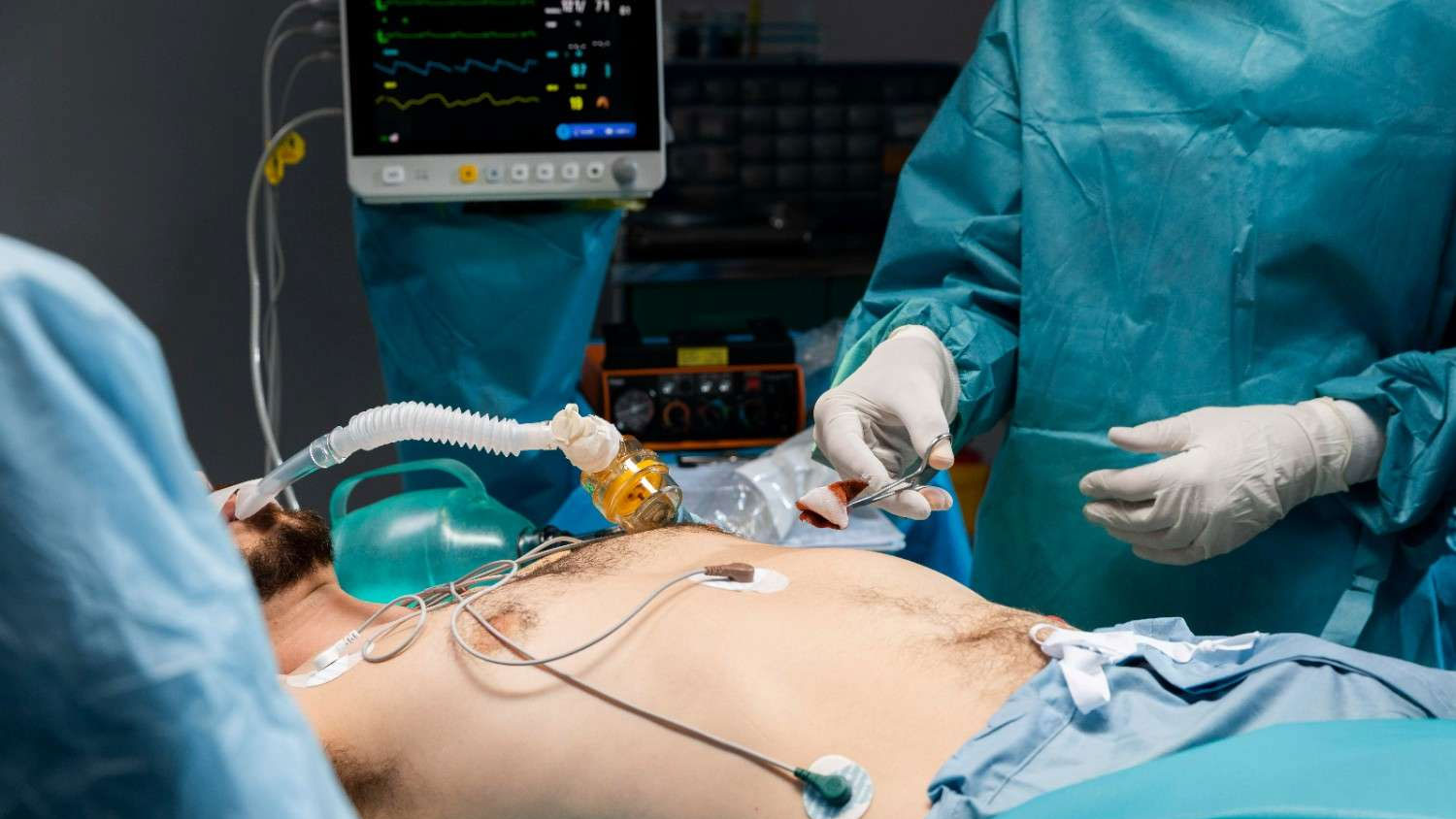
Laser treatment for kidney stones uses a tight beam of laser energy, to sort of break up the stone into tiny fragments that can either drift out on their own, or get taken care of with a scope. In general, common laser options include ureteroscopy with laser lithotripsy, and Retrograde Intrarenal Surgery (RIRS), both of them aim to reach the stone through the urinary tract, without needing big incisions.
Now, is laser treatment for kidney stones painful? A lot of people worry about this beforehand, but with modern kidney stone laser work, the procedure is done under anesthesia or sedation, so during the treatment you won’t feel pain. Afterward you may notice some mild discomfort or urinary irritation, as those stone pieces move along and exit, but it’s usually way less intense than sitting through the wait for larger stones to pass naturally. Most people bounce back quickly and get back to regular activities within a few days.
Kidney stones can bring on really severe pain, and honestly, they can mess up your routine day to day if you leave them untreated. Getting an early diagnosis, going with the right treatment, and doing proper preventive care is key, because it helps you avoid nasty complications and it also lowers the chance of the stones coming back again. If you are searching for the Best Doctor for Kidney Stone Treatment in Goregaon, Mumbai, Dr. Rashmi Algeri is there to help with detailed checkups, a personalized treatment plan, and complete kidney care, so you can aim for long term relief, and overall better kidney health. 📞 Call 098330 69662 today and book your consultation, for specialized care focused on kidney stone management.
Ans - Kidney stones are hard deposits of minerals and salts that form inside the kidneys. They can vary in size and may cause pain when they move through the urinary tract.
Ans - Common symptoms include severe pain in the back, side, or lower abdomen, pain during urination, blood in the urine, nausea, vomiting, frequent urination, and cloudy or foul-smelling urine.
Ans - Kidney stones can develop due to dehydration, excessive salt intake, high oxalate foods, obesity, certain medical conditions, family history, and recurrent urinary tract infections.
Ans - Small kidney stones may pass naturally with adequate hydration and medication. Larger stones may require medical intervention or specialized treatment.
Ans - Diagnosis may involve urine tests, blood tests, ultrasound, CT scans, or other imaging studies to determine the size, location, and type of stone.
Ans - If left untreated, kidney stones can block urine flow, increase the risk of infections, and potentially cause kidney damage or reduced kidney function.
Ans - Drinking plenty of water, following a balanced diet, reducing salt intake, maintaining a healthy weight, and managing underlying medical conditions can help prevent kidney stones.
Ans - Yes. Kidney stones can increase the risk of urinary tract infections by obstructing the urinary tract and promoting bacterial growth.
Ans - You should seek medical attention if you experience severe pain, fever, vomiting, blood in the urine, difficulty urinating, or symptoms that do not improve.
Ans - Dr. Rashmi Algeri is an experienced Nephrologist and Renal Transplant Physician who provides comprehensive kidney stone evaluation, personalized treatment plans, and long-term prevention strategies to protect kidney health and reduce recurrence.
Easily schedule your appointment by filling out our simple form
Schedule An AppointmentLocate Dr. Rashmi Algeri’s Clinic in Mumbai, for Expert Kidney Care and Nephrology Services.