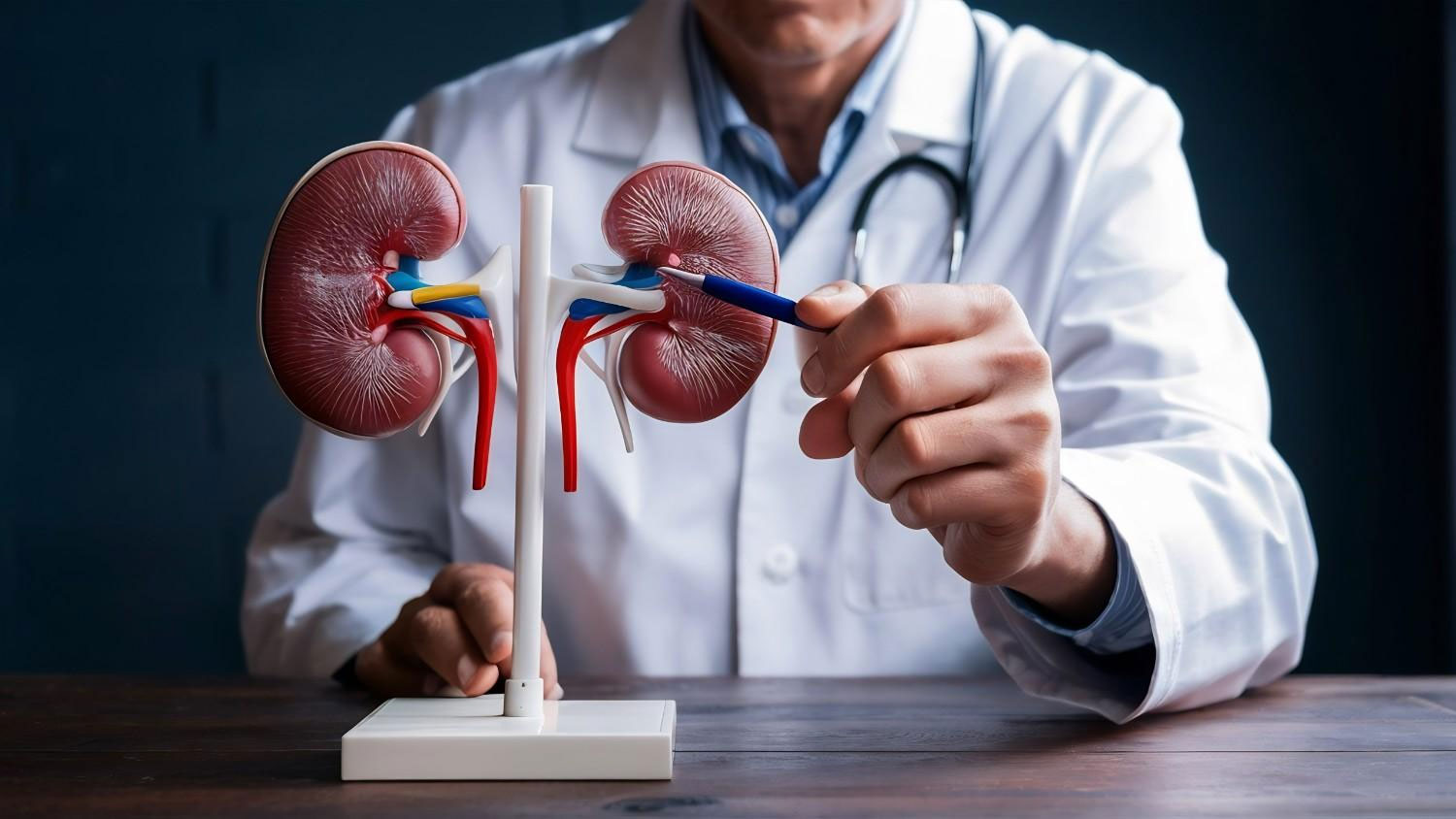
Exploring Treatment Paths for Kidney Failure
April 22, 2025
Dr. Rashmi Algeri has a highly skilled way of managing complicated kidney conditions, like glomerulonephritis, proteinuria, and hematuria, also chronic kidney disease, plus hypertension - related kidney disorders and autoimmune kidney diseases. Her approach feels very centered on early detection, precise diagnosis, and the long-term preservation of kidney wellbeing, through evidence based medical care. Sometimes it almost seems like she thinks ahead, so the kidney situation doesn’t quietly worsen over time.
If you’re trying to find the Best Doctor for Glomerular Disease in Goregaon, Mumbai, then Dr. Rashmi Algeri is the name people often mention, because she offers expert diagnosis and more advanced treatment for many kinds of kidney and glomerular issues. She works as an experienced Nephrologist and Renal Transplant Physician, but what really stands out is how she focuses on the underlying cause of kidney harm, and then maps out a personalized approach. This helps protect kidney function, plus it’s aimed at preventing the disease from progressing further, so patients can get a clearer path forward.
Glomerular disease is basically a bunch of kidney disorders that hit the glomeruli, those small filtering units in the kidneys, that do the job of taking out waste and keeping the body’s chemical balance. In normal kidneys, toxins and other leftovers get rinsed out into urine, but key things such as proteins and red blood cells stay safely in the bloodstream. With glomerular disease though, the whole filtering thing gets messed up, so proteins and blood cells can slip into the urine, while waste materials get stuck and build up in the blood. This kind of problem can show up kind of sudden, like acute, or it might creep in over time (chronic), and if it is not handled early, it can move toward chronic kidney disease or even kidney failure.
Glomerular diseases end up damaging the glomeruli so that, proteins and sometimes red blood cells manage to escape and end up in the urine. In some cases, these kinds of glomerular problems also mess with the kidneys ability to clear waste products, so those substances sort of build-up and just accumulate in the blood. Also, when blood proteins such as albumin are lost through urine, the level of protein in the bloodstream can drop. Normally, albumin acts like a sponge, it soaks up extra fluid from the body and keeps it in the bloodstream, until the kidneys get around to removing it. Yet when albumin leaks into urine, the blood loses that sponge like capacity to hold on to extra fluid. Then fluid begins to gather outside the circulatory system, in the face, hands, feet, or ankles, and this leads to swelling, or edema.
If these lab tests indicate kidney any damage, a healthcare provider may recommend:
Glomerular disease can really mess with kidney function and your overall health if its not treated. getting the diagnosis early, having proper medical management, and doing regular monitoring are super important so the condition dose not speed up too much, and so you can avoid complications like chronic kidney disease or even kidney failure. If you are searching for the Best Doctor for Glomerular Disease in Goregaon, Mumbai , Dr. Rashmi Algeri gives expert assessment, tailored treatment planning, and full kidney care, so you can preserve kidney function and support better long term health results. 📞 Call 098330 69662 today , to arrange your consultation and get specialized care for glomerular disease.
Ans - Glomerular disease is a condition that affects the glomeruli, the tiny filtering units in the kidneys that remove waste products and excess fluids from the blood.
Ans - Glomerular disease can be caused by diabetes, high blood pressure, autoimmune disorders, infections, genetic conditions, lupus, and certain medications or toxins.
Ans - Common symptoms include swelling of the face, hands, feet, or ankles, foamy urine, blood in the urine, high blood pressure, fatigue, reduced urine output, and loss of appetite.
Ans - Yes. If left untreated, glomerular disease can lead to chronic kidney disease, kidney failure, and other serious health complications.
Ans - Diagnosis may involve urine tests, blood tests, kidney function tests, imaging studies, and in some cases, a kidney biopsy to determine the exact cause and severity.
Ans - The outcome depends on the type and cause of the disease. Some forms can be treated successfully, while others require long-term management to slow progression and preserve kidney function.
Ans - Yes. Uncontrolled high blood pressure can damage the glomeruli over time, affecting the kidneys' ability to filter waste properly.
Ans - Depending on kidney function, patients may need to limit salt, processed foods, excessive protein, and certain minerals such as potassium and phosphorus. A nephrologist can provide personalized dietary guidance.
Ans - You should consult a nephrologist if you experience symptoms such as swelling, blood in the urine, foamy urine, persistent high blood pressure, or abnormal kidney function test results.
Ans - Dr. Rashmi Algeri is an experienced Nephrologist and Renal Transplant Physician specializing in the diagnosis and treatment of glomerular diseases. She provides personalized care, advanced kidney disease management, and long-term monitoring to help protect kidney function and improve patient outcomes.
Easily schedule your appointment by filling out our simple form
Schedule An AppointmentLocate Dr. Rashmi Algeri’s Clinic in Mumbai, for Expert Kidney Care and Nephrology Services.